|
Age of Vice |
by Deepti Kapoor |
 |
Discussion Questions |
1. An epic, action-packed, multicharacter drama, Age of Vice has been described as a family saga, a crime thriller, and even a twisted, forbidden romance. Its characters include crime bosses and servants, politicians and journalists, friends and lovers, and dysfunctional families; the plot offers violence and betrayal, as well as tenderness, heartache, and hope. How would you characterize it as a novel? If you were recommending it to a friend, what would you compare it to? 2. At the center of the novel is the astonishingly wealthy, dangerously corrupt Wadia family, whose elaborate web lures and entraps multiple characters. Theirs is a world where money buys pleasure, power, and loyalty-but what that loyalty is expected to look like differs depending on the person. Consider some of the different ways that loyalties are tested and proven, and how the outcomes vary. (Compare, for instance, the post-crash outcomes for each of the characters involved.) 3. Consider the novel's three main characters: Ajay, a servant born into poverty; Neda, an upper-caste, educated woman; and Sunny, the playboy son of a crime family. How do their worlds, rules, and expectations differ and intersect? What do these characters illustrate about the different social realms of India? How are they each changed when their fates become intertwined? Which world were you most interested in and why? 4. Over the course of the novel, we follow Ajay through his formative years and witness his transformation from poor, young servant boy to a "Wadia man." What does it mean to be a Wadia man? Did his transformation surprise you? What does Ajay gain through this process and what does he lose? What can you conclude about the possibility or impossibility of changing one's destiny? 5. Neda is a fledgling investigative journalist, torn between the allures of luxury and her increasing awareness of the social injustice around her. From where does Neda derive her values? How do they change? How are her assumptions and expectations different from Sunny's? 6. As the son of the undeniably successful (if also plainly corrupt) Bunty Wadia, Sunny is a pleasure-seeking socialite who is accustomed to getting what he wants, yet struggles with his conflicting desire to simultaneously impress his father and step out from within his shadow. How does his relationship with Neda complicate those desires? 7. From the dusty villages of Uttar Pradesh to the mountains of the Himalayas, the beaches of Goa, and the bustle of New Delhi, readers are offered a broad window on the culture and landscape of contemporary India. What surprised you about the portrayal of these microcosms, or about the relationship between urban and rural life? What role does the change of setting play in the characters' story arcs? 8. By playing with point of view and jumps in time, Kapoor changes our understanding of the characters she has introduced us to. What is achieved by beginning the novel with Ajay's car accident as opposed to his origin story? Why start the novel with Ajay and not Neda or Sunny? How did your initial views change over the course of the book? 9. Further complicating the power dynamics at play in the novel is the notion of the Indian caste system, in which status is endowed by birth. Consider the scene in which we first meet Ajay ("not a rich man at all, rather a facsimile, a man dressed in the imitation of wealth"), compared to our introduction to Sunny ("young, rich, and glamorous . . . for whom authenticity is not a question"). What role do birth/caste, inheritance, and social capital play in determining one's "wealth" in the novel? Is there an American equivalent to all of this? Book Club Talking Points:
There is plenty to keep the conversation going in this book. The Germans made life-changing choices - but did they really have a choice? Other themes include grief, acceptance, hardship, and prejudice - all thought-provoking. |


|
 |
Looking for your next group read? Explore 4+ years of curated picks that actually spark a conversation ....
|
More Must-Read Books |
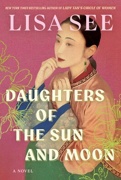 Daughters of the Sun and Moon
Beloved New York Times bestselling author Lisa See draws on the vibrancy and turmoil of post-Civil War Los Angeles to tell the story of three Chinese women who managed to survive and, eventually, thrive, despite all odds. ...More
|
 The Book WitchShe can hop into any novel, she just can't stay there. Come along with the book witch in this magical and inspiring love letter to reading from the USA Today bestselling author of The Wishing Game ... More
|
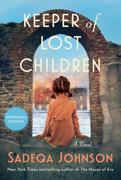 Keeper of Lost Children
In this new novel from the New York Times bestselling author of The House of Eve, one American woman's vision in post WWII Germany will tie together three people in an unexpected way....More
|
 My Husband's WifeThe New York Times bestselling Queen of Twists is back with a psychological masterpiece that will leave you questioning everything you know about love, identity, and revenge. By the author of His & Hers, now a #1 Netflix show!... More
|
You May Also Like: |


|
Visit Our Blog |
 |
Most Antipipated Books of 2026 ..... Our Favorites.
|