
 |
All The Broken Places |
|
by John Boyne
|

|
Book Club Discussion Questions |
|
1. We see Gretel as a child in Germany, a teen in France, a young woman in Australia, and through many decades of life in London. What changes did you notice in Gretel's personality throughout the years?
2. How does Gretel as a mother compare to her own mother? What similarities do you notice? What differences? How do you think Gretel's feelings toward her own parents affected her ability to be a parent herself? 3. When Gretel and Kurt meet in Australia and talk about their lives since the war, Kurt says, "I don't remember making any conscious decisions about my life. It was all laid out for me so young" (p. 250). What do you think of that statement? When do young people gain responsibility for their own lives? 4. Kurt asks Gretel, "Why do you struggle to call things what they are?" (p. 251). She refuses to say her brother's name or the name of her former residence in Germany. How do you think this affects the way Gretel processes her emotions? Can you relate? 5. Gretel insists to Kurt that she doesn't wish the Allies had lost the war, despite the personal advantages she would have gained. Kurt doesn't believe her: "You're lying. . . You need to tell yourself that you wouldn't so you can feel a sense of moral superiority, but I don't believe you for even a moment" (p. 253). Do you believe Gretel? Later, when Alex Darcy-Witt suggests that Gretel wishes Germany had won the war, she responds, "No one wins a war" (p. 355). Why do you think she answers differently this time? 6. In nearly every stage of her life, Gretel keeps her past a secret-both out of shame and out of fear for her own safety. If you were able to speak with Gretel at any point in her life, what would you say to her about her choice to stay silent? What would you say to her after she finally comes forward with the truth? 7. David never knows about the daughter he conceived with Gretel. What do you think of Gretel's decision not to tell him about her pregnancy? 8. When Alex confronts Gretel and tries to intimidate her following Madelyn's overdose, he tells her about his abusive, alcoholic parents and his childhood in the foster system. How is pain passed through the generations in this novel? When and how do characters successfully end the cycle of inflicting harm on the next generation? 9. What did you think about how Gretel chose to end her story? Did you expect her to make such a drastic choice? Did that one choice change your perception of her character? (Discussion Questions by Publisher)
Book Club Talking Points:
This novel explores the burden of secrets, the impact of war, generational trauma, and the power of resilience. These themes invite rich conversation and deeper understanding of the characters' journeys. |


|
 |
Explore 4+ years of curated picks that actually spark a conversation.
|
More Must-Read Books |
 Daughters of the Sun and Moon By Lisa See
Beloved New York Times bestselling author Lisa See draws on the vibrancy and turmoil of post-Civil War Los Angeles to tell the story of three Chinese women who managed to survive and, eventually, thrive, despite all odds. ...More
|
 The Book Witch By Meg Shaffer She can hop into any novel, she just can't stay there. Come along with the book witch in this magical and inspiring love letter to reading from the USA Today bestselling author of The Wishing Game ... More
|
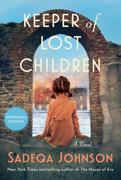 Keeper of Lost Children By Sadeqa Johnson
In this new novel from the New York Times bestselling author of The House of Eve, one American woman's vision in post WWII Germany will tie together three people in an unexpected way....More
|
 My Husband's Wife By Alice Feeney The New York Times bestselling Queen of Twists is back with a psychological masterpiece that will leave you questioning everything you know about love, identity, and revenge. By the author of His & Hers, now a #1 Netflix show!... More
|
You May Also Like: |


|
Visit Our Blog |
 |
Most Antipipated Books of 2026 ..... Our Favorites.
|
|
|
| |
 |
 |


