|
Signal Fires |
by Dani Shapiro |
 |
Discussion Questions |
1. How would Sarah and Theo's lives have been different if she had told the truth about the circumstances of the car wreck? What personality traits were revealed in Sarah and Theo during the novel's opening scene? How did these traits shape the outcomes of their lives? 2. How does the novel's oscillating timeline reflect the human experience of looking back on the past and making hopeful predictions about the future? What was it like to learn about the characters through moments that weren't linear? What cultural shifts were captured in those five decades? What remained the same throughout the years? 3. Ben's profession puts him at the center of moments of life and death. Sarah's career is anchored in storytelling, while Theo masters the art of preparing "comfort food with staying power" (207). How do these professions reflect essential aspects of Ben and his children? 4. The author writes lovingly of the Wilf house on Division Street. What can we discern about the Wilfs by observing their possessions, particularly when Sarah arrives to find the artifacts in a state of disorder? What is the significance of the fact that Theo spent many years estranged from the concept of home? What do the artifacts in your house indicate about the places you have called home? 5. Lost together, what makes Waldo and Mimi ideal companions during those dark hours? How does the experience distill what matters most to them, and to the family members who are searching for them? 6. As a young adult, Waldo invokes quantum physics to explain the mystical interconnectedness of all things (including humanity). To what extent is his connection to Ben determined by fate, versus the effort they make to sustain a bond over the years? Why is Waldo's interest in the heavens so difficult for Shenkman to appreciate? What is Alice's most enduring legacy for her son? 7. On page 128, Sarah thinks of lives as books divided into chapters, and she thinks about Peter's observation that second acts in screenplays should always have two major plot points. What are the major plot points and chapters of your life? Who do you consider to be the author of your life story? 8. Sarah lives in perpetual fear that Peter will find out about her infidelity. What is at the root of her masochism-experience in which she is abused and shamed? Why isn't she able to feel satisfied with Peter, "a simple guy, a nice guy who hasn't been able to catch a break" (page 131)? How do the characters in Signal Fires contend with guilt, even if the guilt is unwarranted? 9. Theo loves being an uncle to Syd and Livvie. As the girls approach the cusp of adulthood, the same age when he was reeling from tragedy, how is he able to make peace with the fact that it's impossible to predict what lies ahead? 10. In the final portraits of Shenkman and Ben, we see two aging men from the same neighborhood choose two very separate retirement paths. Shenkman lives in isolation in Florida. Ben enjoys the companionship of family on the west coast. What accounts for these different outcomes? How do their pandemic experiences compare to yours? 11. The novel's epigraph, from Carolyn Forche's poem "Mourning," calls for lighting signal fires "wherever you find yourselves." Who lights the signal fires in the novel? Who heeds them and takes action? 12. What are the fundamental reasons for Ben and Mimi's happiness in marriage, and for the sadness and frustration in the Shenkmans' marriage? What is the effect of the novel's closing line regarding the Wilfs, "You would hope that they know how lucky they are, how blessed"? 13. Discuss the portraits of parenting that are offered in the novel. What aspects of motherhood and fatherhood resonated with you? Do the children do a good job of becoming caregivers to their own parents later in life? 14. Family secrets have played a key role in many of Dani Shapiro's books. How does Signal Fires further expand upon the theme of unspoken truths and hidden turning points in her other novels and memoirs that you have read? Discussion Questions by the Publisher Book Club Talking Points:
There is plenty to keep the conversation going in this book. The Germans made life-changing choices - but did they really have a choice? Other themes include grief, acceptance, hardship, and prejudice - all thought-provoking. |


|
 |
Looking for your next group read? Explore 4+ years of curated picks that actually spark a conversation ....
|
More Must-Read Books |
 Daughters of the Sun and Moon
Beloved New York Times bestselling author Lisa See draws on the vibrancy and turmoil of post-Civil War Los Angeles to tell the story of three Chinese women who managed to survive and, eventually, thrive, despite all odds. ...More
|
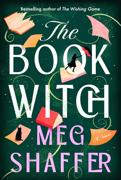 The Book WitchShe can hop into any novel, she just can't stay there. Come along with the book witch in this magical and inspiring love letter to reading from the USA Today bestselling author of The Wishing Game ... More
|
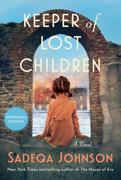 Keeper of Lost Children
In this new novel from the New York Times bestselling author of The House of Eve, one American woman's vision in post WWII Germany will tie together three people in an unexpected way....More
|
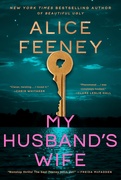 My Husband's WifeThe New York Times bestselling Queen of Twists is back with a psychological masterpiece that will leave you questioning everything you know about love, identity, and revenge. By the author of His & Hers, now a #1 Netflix show!... More
|
You May Also Like: |


|
Visit Our Blog |
 |
Most Antipipated Books of 2026 ..... Our Favorites.
|