|
Sunlight Finds You |
by Laura Moriarty |
 |
Discussion Questions |
Discussion Questions by Princeton Book Review
1. While grieving the baby she was forced to give up, Nora must return home to her father and Mae's new baby. Did they understand what they were asking of her, or were they unable-or unwilling-to see her grief? How does this experience shape what comes next for Nora? 2. Mae is younger and more relaxed than Nora's late mother. She tries to be understanding but also respects the family's decisions. Is Mae an ally, a bystander, or more complex? Did your feelings about her change as you read the book? 3. Did Nora's father respond to her pregnancy as the father Nora needed, or as the father 1950s society expected him to be? How much of his reaction came from love, fear, shame, or concern about what others would think? How did his response change the way Nora saw him-and herself? 4. Looking back at Nora's relationship with her father as a whole, can you forgive him in the way adult Nora seems to be trying to? Does understanding the fear, grief, and social expectations behind his choices make his actions more forgivable—or simply more understandable? 5. Leonard's mother initially welcomes Nora but later pressures her to stay away. However, his father distrusts her from the beginning. Which parent do you think causes more harm, and why? How much of their reaction is due to class issues rather than Nora herself? 6. Leonard enlists after the conflict with his parents over Nora. What was he trying to achieve: punish his parents, prove himself, escape their control, or protect Nora? 7. How much do you hold Leonard responsible for what happened to Nora? How do you think he coped with the consequences of his choice for both of them? 8. As an adult, Nora feels anger at herself for being gullible and taking a risk that changed her life. Was she naive or just human? How would a 17-year-old today handle the same choice? 9. The novel shows how young women in these homes were misled by the adults running them. What did you know about this history before reading? How does the book show institutions, not just individuals, taking choices away from women? 10. Nora marries Russ out of shame and heartbreak and tries to be a proper 1950s housewife. Was this marriage a trap, a refuge, or both? What does the scene where she cuts her own hair say about where she was emotionally? 11. Russ marries Nora knowing about her past. Was it genuine love, the chance to rescue her, a sense that she would be grateful and easy to shape into the wife he wanted, or a mix of all three? 12. Did Russ knowing about Nora's past make the marriage more honest, or did it give him power over her? By the end, did you see Russ more as a villain, a victim of his own expectations, or simply a man of his time? 13. The young women in the maternity home are deliberately misled by adults they are supposed to trust. What did you know about this history before reading the novel? How does the book show institutions-not just individual people—taking choices away from women? 14. Carol was told the same story as Nora, but she was able to keep her baby, largely because she had financial resources. How much of Nora's loss was about money and class rather than morality or parenting? Where else does class determine the choices available to Nora and Leonard? Do those same inequalities still exist for women today? 15. So much of Nora's young life is shaped by choices other people make for her. When does she begin making choices for herself? Was there one decision or moment that felt like the turning point? 16. Shame influences many of the choices in the novel—not only Nora's, but those of her father, Leonard's parents, Russ, and others. Who is most controlled by shame, and who uses shame to control someone else? 17. By the end, Nora understands more about the people who shaped her life—her father, Mae, Leonard's parents, the social worker, Russ, and Leonard. Does understanding the fear and social pressures behind their choices make those choices forgivable, or merely understandable? And ultimately, does Nora most need to forgive them—or herself? 18. The story is told by a mature Nora looking back with honesty and compassion. How does knowing she survives and reflects change the way you experience her suffering? What do you think the title Sunlight Finds You means by the end, and has Nora earned her ending? 19. What do you think the title Sunlight Finds You means by the end? Has Nora found the sunlight, or has she finally allowed herself to see it? I also loved:
The Chaperone by this author.
|
Book Club Talking Points: |


|
Planning your next meeting?
Here are more Women's Fiction reads we loved:
Here are more Women's Fiction reads we loved:

A moving story about unlikely friendships and finding belonging in a harsh and divided post-Civil War world.

An emotional story of love and ambition ... a woman reaching for the stars while navigating relationships.
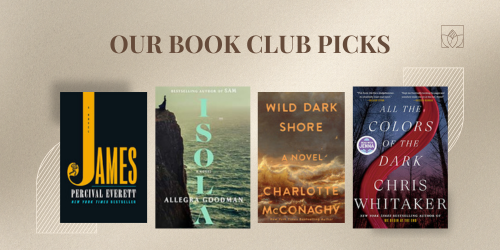 |
Explore 4+ years of curated picks that actually spark a conversation.
|
More Must-Read Books |
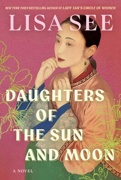 Daughters of the Sun and Moon By Lisa See
Beloved New York Times bestselling author Lisa See draws on the vibrancy and turmoil of post-Civil War Los Angeles to tell the story of three Chinese women who managed to survive and, eventually, thrive, despite all odds. ...More
|
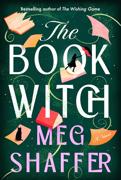 The Book Witch By Meg Shaffer She can hop into any novel, she just can't stay there. Come along with the book witch in this magical and inspiring love letter to reading from the USA Today bestselling author of The Wishing Game ... More
|
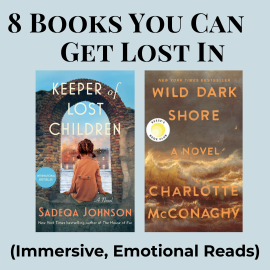
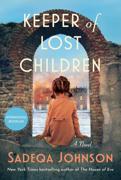 Keeper of Lost Children By Sadeqa Johnson
In this new novel from the New York Times bestselling author of The House of Eve, one American woman's vision in post WWII Germany will tie together three people in an unexpected way....More
|
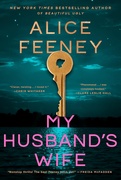 My Husband's Wife By Alice Feeney The New York Times bestselling Queen of Twists is back with a psychological masterpiece that will leave you questioning everything you know about love, identity, and revenge. By the author of His & Hers, now a #1 Netflix show!... More
|
You May Also Like: |


|
Visit Our Blog |
 |
Most Antipipated Books of 2026 ..... Our Favorites.
|
|
|