
 |
The Lotus Shoes |
by Jane Yang |
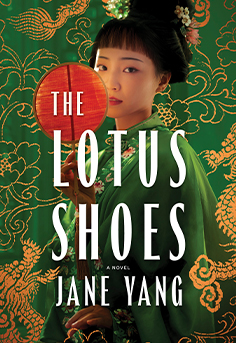 |
Discussion Questions |
1. How does the relationship between Little Flower and Linjing evolve over the course of the story? Do you think they ever reach a point of true "friendship," or was there always some level of resentment between them? 2. Why do you think Linjing is resentful of Little Flower's bound feet, despite her wealth and status? What does this say about how society valued women and how women in society measured their own worth? 3. In the book, Little Flower's embroidery is her way of expressing herself. How does this embroidery help Little Flower feel superior as a servant? Does her art give her the freedom that Noble Siu Je cannot provide? 4. How do Little Flower and Linjing's personalities change after they join the Sisterhood? Does Linjing struggle more with losing her status than Little Flower does? Why does Little Flower continue to help Linjing? 5. Little Flower reaches a point where she stops putting Linjing's needs first, ending their old dynamic. What do you believe was the driving factor behind this? 6. Which character did you relate to more, and did your view of Linjing change by the end of the book? 7. Linjing's father seems to care for her, but when forced to choose, he doesn't protect her. Do you believe parental love should be unconditional? Was he weak or simply a product of his time? 8. Do you think the women truly gained "freedom," when they entered the Sisterhood, or did they simply trade one set of shackles for another? 9. The Aunt used physical discipline and public shaming to control her younger sisters. Why would a woman who escaped patriarchy do this? Is she trying to protect the Sisterhood, or has she become corrupt with her power? 10. What does foot binding reveal about the price women were expected to pay for acceptance and security? Did you find it ironic that the "servant" possessed the ultimate symbol of status that the "mistress" lacked? 11. The novel concludes with a sense of transition for China. Considering the "Lotus Shoes" as a symbol of the old world, which character was better prepared for the "New China": the resilient, self-made Little Flower or the adaptable, formerly aristocratic Linjing? Discussion Questions by PrincetonBookReview
Book Club Talking Points:
Choosing what to discuss first about The Lotus Shoes is almost as tricky as the choices Little Flower and Linjing face! This story dives into everything from family betrayal to the secrets of the Sisterhood, the characters make complex, sometimes uncomfortable choices, and the story explores issues like survival, power, love, and social pressure in ways that still feel relevant today Fact or Fiction?:
If the "barbaric" customs in the book felt too intense to be true, you might be surprised to learn how much Jane Yang grounded in reality. The muizai system was a very real form of child domestic slavery in China, where girls like Little Flower were sold to wealthy families during times of famine. Even the Celibate Sisterhoods (known as Sujia) actually existed! These were radical groups of women who took vows to remain unmarried and financially independent, often working in silk factories to support one another. Although the death penalty for straying sisters is a dramatic addition to the novel, the social stakes for these women were incredibly high. They truly did trade the traditional family structure for a dangerous, but self-determined, life together. |


|
Planning your next meeting?
Here are more Women's Fiction reads we loved:
Here are more Women's Fiction reads we loved:

A beautiful story of female physicians and lifelong friendship in 15th-century China.

A resilient woman fights prejudice to deliver books in the hills of Kentucky.

An emotional, decades-spanning bond between two friends amidst Iran's shifting political landscape.
 |
Explore 4+ years of curated picks that actually spark a conversation.
|
More Must-Read Books |
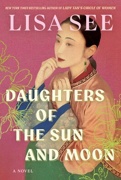 Daughters of the Sun and Moon By Lisa See
Beloved New York Times bestselling author Lisa See draws on the vibrancy and turmoil of post-Civil War Los Angeles to tell the story of three Chinese women who managed to survive and, eventually, thrive, despite all odds. ...More
|
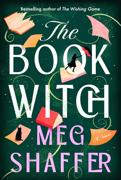 The Book Witch By Meg Shaffer She can hop into any novel, she just can't stay there. Come along with the book witch in this magical and inspiring love letter to reading from the USA Today bestselling author of The Wishing Game ... More
|
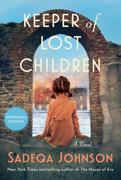 Keeper of Lost Children By Sadeqa Johnson
In this new novel from the New York Times bestselling author of The House of Eve, one American woman's vision in post WWII Germany will tie together three people in an unexpected way....More
|
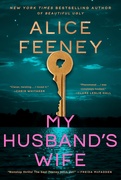 My Husband's Wife By Alice Feeney The New York Times bestselling Queen of Twists is back with a psychological masterpiece that will leave you questioning everything you know about love, identity, and revenge. By the author of His & Hers, now a #1 Netflix show!... More
|
You May Also Like: |


|
Visit Our Blog |
 |
Most Antipipated Books of 2026 ..... Our Favorites.
|
|
|
| |
 |


