|
Molokai |
by Alan Brennert |
 |
Discussion Questions |
1. The book's opening paragraph likens Hawai'i in the 19th century to a garden. In what ways is Hawai'i comparable to another, Biblical, garden? 2. Given what was known at the time of the causes and contagion of leprosy, was the Hawaiian government's isolation of patients on Moloka'i justified or not? 3. How is Hawai'i's treatment of leprosy patients similar to today's treatment of SARS and AIDS patients? How is it different? 4. What does 'ohana mean? How does it manifest itself throughout Rachel's life? 5. What does surfing represent to Rachel? 6. Rachel's mother Dorothy embraced Christianity; her adopted auntie, Haleola, is a believer in the old Hawaiian religion. What does Rachel believe in? 7. There are many men in Rachel's life--her father Henry, her Uncle Pono, her first lover Nahoa, her would-be lover Jake, her husband Kenji. What do they have in common? What don't they? 8. Rachel's full name is Rachel Aouli Kalama Utagawa. What does each of her names represent? 9. Did you as a reader regard Leilani as a man or a woman? 10. Discuss the parallels and inversions between the tale of heroic mythology Rachel relates on pages 296-298, and what happens to Kenji later in this chapter. 11. Imagine yourself in the place of Rachel's mother, Dorothy Kalama. How would you have handled the situation? 12. The novel tells us a little, but not all, of what Sarah Kalama feels after her accidental betrayal of her sister Rachel. Imagine what kind of feelings, and personal growth, she might have gone through in the decades following this incident. 13. In what ways is Ruth like her biological mother? How do you envision her relationship with Rachel evolving and maturing in the twenty years between 1948 and 1970? 14. Considering the United States' role in the overthrow of the Hawaiian monarchy, was the American response adequate or not? In recent years a "Hawaiian sovereignty" movement has gathered momentum in the islands--do you feel they Discussion Questions by the Publisher Book Club Talking Points:
The first thing that comes to mind when reading this book is how does society deal with communicable diseases that have serious consequences? Also, in hindsight, were people diagnosed with Leprosy treated fairly or did society owe them more. There is also a lot of loss and longing in this novel that anyone with strong family bonds or children will relate to intellectually and emotionally. The story sounds dark, but the author does a great job of infusing hope and a sense of happiness for small victories and personal accomplishments. |


|
 |
Looking for your next group read? Explore 4+ years of curated picks that actually spark a conversation ....
|
More Must-Read Books |
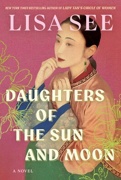 Daughters of the Sun and Moon
Beloved New York Times bestselling author Lisa See draws on the vibrancy and turmoil of post-Civil War Los Angeles to tell the story of three Chinese women who managed to survive and, eventually, thrive, despite all odds. ...More
|
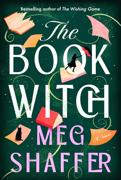 The Book WitchShe can hop into any novel, she just can't stay there. Come along with the book witch in this magical and inspiring love letter to reading from the USA Today bestselling author of The Wishing Game ... More
|
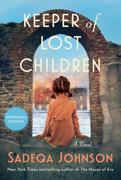 Keeper of Lost Children
In this new novel from the New York Times bestselling author of The House of Eve, one American woman's vision in post WWII Germany will tie together three people in an unexpected way....More
|
 My Husband's WifeThe New York Times bestselling Queen of Twists is back with a psychological masterpiece that will leave you questioning everything you know about love, identity, and revenge. By the author of His & Hers, now a #1 Netflix show!... More
|
You May Also Like: |


|
Visit Our Blog |
 |
Most Antipipated Books of 2026 ..... Our Favorites.
|